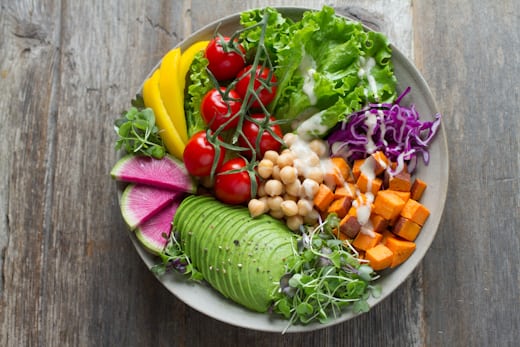
Food Quality Over Calorie Counting
Rather than obsessively tracking every calorie, focus on food quality. Meals built around whole, minimally processed foods tend to be more satiating per calorie, more nutrient-dense and more enjoyable to eat long-term.
This does not mean calories do not matter — they do. But for most women, shifting to whole foods and using portion awareness naturally moves calorie intake toward an appropriate range without the mental burden of tracking.
The Hand Portion Guide
A practical, no-counting method for estimating portions at each meal:
| Hand Measure | Represents | Example |
|---|---|---|
| Palm (1) | Protein | Chicken, fish, tofu, eggs |
| Fist (1–2) | Vegetables | Broccoli, salad, roasted veg |
| Cupped hand (1) | Carbohydrates | Rice, pasta, potato, fruit |
| Thumb (1) | Fats | Olive oil, avocado, nuts, cheese |
For women aiming for gradual weight management, using one serving of each per meal — three times daily plus 1–2 snacks — is a reasonable starting point. Adjust based on hunger, energy levels and activity.
Protein Priorities After 35
Protein needs increase slightly with age due to reduced muscle protein synthesis efficiency. Aiming for 1.2–1.6 g protein per kg body weight daily — distributed across meals — supports muscle preservation, satiety and metabolic health.
| Food | Serve | Protein |
|---|---|---|
| Greek yoghurt (plain) | 170 g | 15 g |
| Chicken breast | 120 g | 37 g |
| Eggs (2 large) | 100 g | 12.6 g |
| Tinned tuna | 95 g | 20 g |
| Red lentils (cooked) | 150 g | 13.5 g |
| Firm tofu | 150 g | 18 g |
Meal Ideas
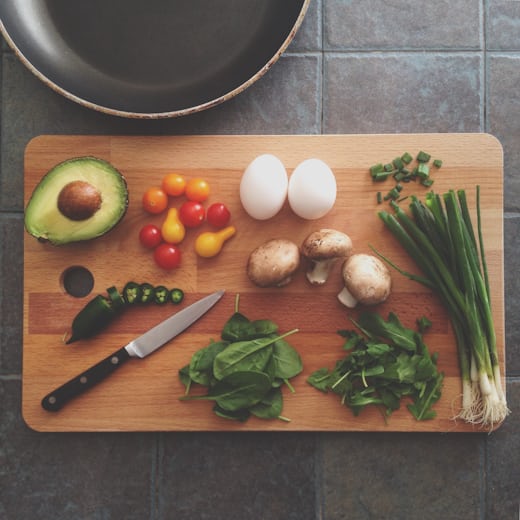
Breakfast
- Greek yoghurt + berries + seeds (250 kcal, 15 g protein)
- Eggs on wholemeal toast + avocado (380 kcal, 18 g protein)
Lunch
- Tuna salad with beans + olive oil dressing (400 kcal, 30 g protein)
- Chicken wrap with roasted vegetables (430 kcal, 28 g protein)
Dinner
- Baked fish + sweet potato + steamed greens (470 kcal, 34 g protein)
- Lentil soup + wholegrain bread (420 kcal, 18 g protein)